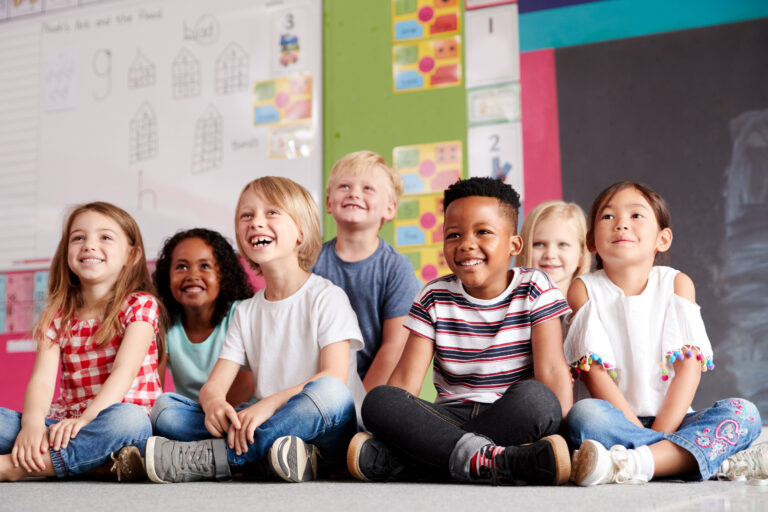
At Wisdom Warehouse, we understand that meaningful learning does not occur when a child feels unsafe. Emotional safety is the bedrock of engagement, curiosity, and resilience. When children feel seen, heard, and valued, their brains are better able to absorb, reflect, and take intellectual risks.
Modern neuroscience confirms this. The brain’s learning centre, the prefrontal cortex, only functions well when a child is not in a fight-or-flight state. Unfortunately, many traditional schooling environments can activate chronic stress in children, whether through pressure to conform, academic overload, social isolation, bullying, or lack of emotional validation. Even well-meaning adults can unintentionally create stress when focusing solely on achievement rather than connection.
At Wisdom Warehouse, our approach is built on the understanding that emotional safety must come first. We create emotionally nurturing environments by emphasising relationship-building, autonomy, and empathy in all our interactions. Teachers are trained to be responsive to each child’s needs, picking up on nonverbal cues, validating emotional experiences, and giving children space to process challenges.
One of the key ways we support emotional safety is through rhythm and consistency – having a predictable schedule that’s also flexible enough to honour a child’s changing emotional state. We also allow for movement, choice, and reflection throughout the day. Quiet corners, grounding activities, and positive affirmations are embedded into our learning spaces.
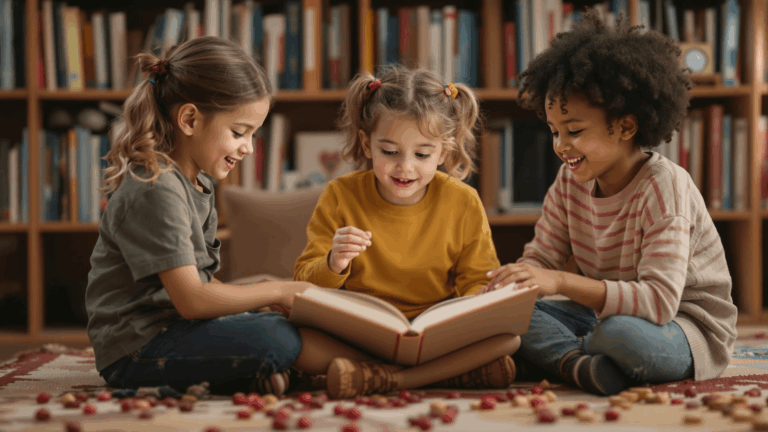
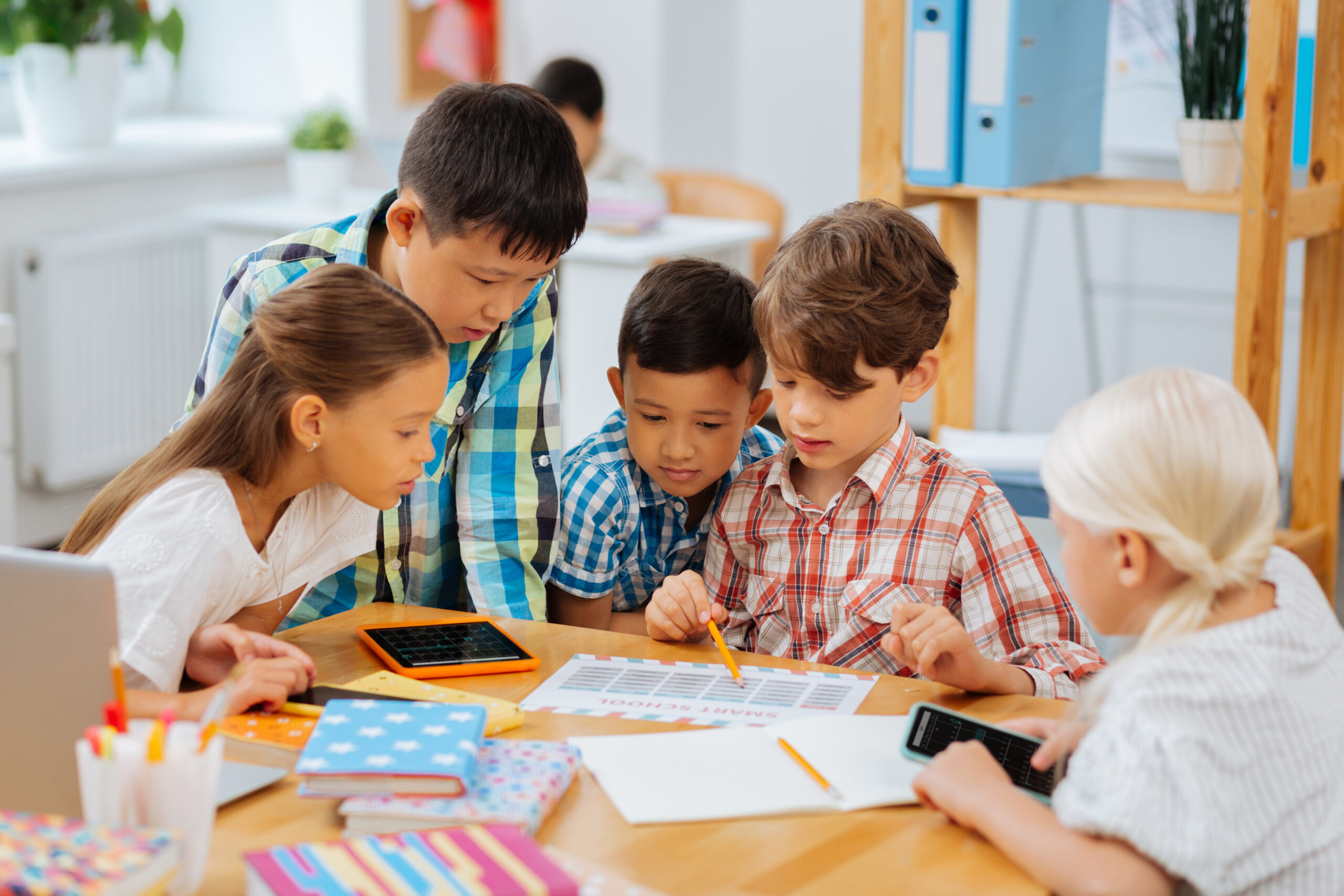
But emotional safety isn’t just about preventing harm; it’s about actively cultivating connection. In our multi-age settings, children develop empathy and collaboration skills. When a child is upset, peers are encouraged to comfort rather than compete. This builds a culture where emotional expression is normalised and supported.
At home, parents can mirror these strategies by:
- Listening without interruption or immediate problem-solving
- Validating feelings with phrases like “That sounds really tough” or “I understand why you feel that way”
- Modelling self-regulation and calm responses
- Creating routines that are clear but not rigid
When adults model calmness and connection, children feel safe taking risks in their learning. Academic growth, in this model, becomes a natural result, not a forced outcome, but a flourishing one.