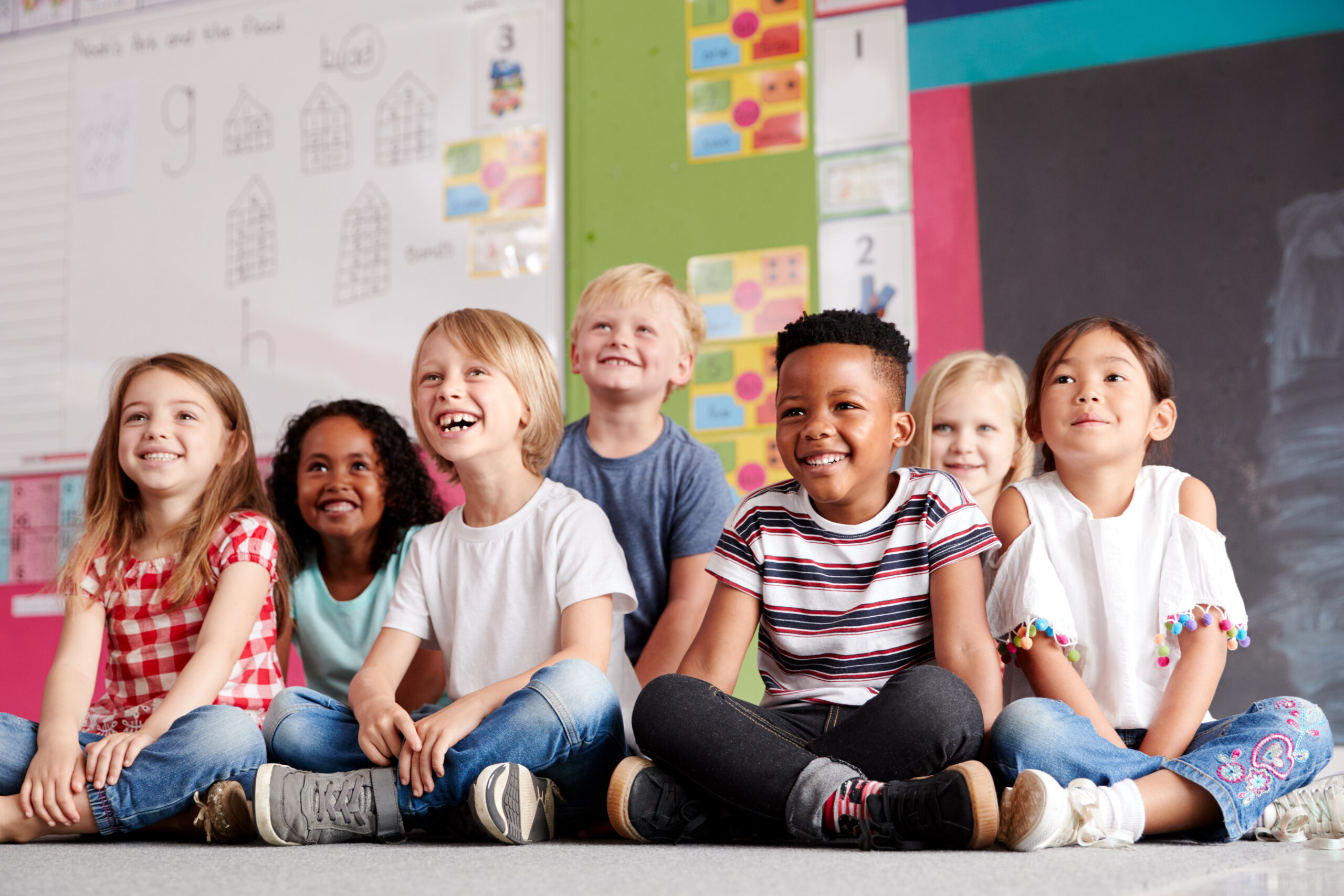
Imagine a space where older children take on leadership roles and younger children feel inspired and supported. That’s what happens every day inside the mixed-age learning environments at Wisdom Warehouse. This dynamic structure isn’t just a creative idea, it’s an intentional strategy grounded in child development and the real-life social world children will eventually grow into.
In traditional schooling, children are grouped by age, assuming that similar ages equate to similar abilities. But in real life, people of different ages, experiences, and skill levels work, live, and learn together. Whether at home with siblings, on sports teams, or in workplaces, mixed-age dynamics are the norm. So why should classrooms be any different?
At Wisdom Warehouse, we embrace the benefits of age diversity by designing learning groups that allow younger students to learn from their older peers, and older students to deepen their understanding through mentoring. This reciprocal model fosters a sense of responsibility, empathy, and a strong sense of community.
Younger children benefit from seeing what’s possible. They watch, imitate, and ask questions, accelerating their learning naturally. Older students benefit just as much. By helping others, they reinforce their own knowledge, gain confidence, and develop leadership and communication skills. It’s a system of mutual respect, not hierarchy.
We carefully design activities and workshops that allow for differentiated learning within shared spaces. While one student is designing a poster presentation, another might be helping build a model, and another explaining a science concept. There’s room for individual growth, group work, and peer teaching – all at once.
Mixed-age environments also reduce competition and comparison. Students aren’t pressured to conform to the same pace or grade-level expectations. Instead, they are celebrated for their personal growth and contribution to the group.
Teachers act as facilitators rather than lecturers. They observe social dynamics, guide interactions, and introduce new challenges based on each child’s readiness, not their age. This approach cultivates emotional intelligence and social maturity.
When children collaborate across age groups, they learn to value different perspectives, work through conflicts with grace, and develop a sense of belonging rooted in mutual care and respect. These are life skills, not just academic ones.
At Wisdom Warehouse, we believe that education should mirror the world we want our children to thrive in. And in the world we envision, leadership is inclusive, learning is shared, and every child, regardless of age, is seen as both a student and a teacher.