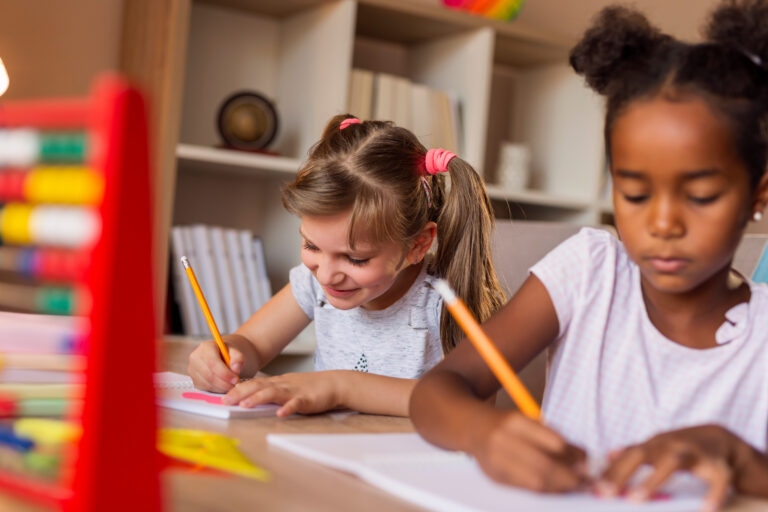
Supporting children during uncertainty has become a real challenge for many families across the UAE and the GCC. With sudden school changes, travel disruptions, and unclear routines, children are now at home without structure or stability. Over the past few weeks, many families across the UAE and the GCC have found themselves in an unexpected situation.
For adults, this creates stress and logistical challenges.
However, for children, it creates something deeper: emotional uncertainty. Recognising signs like mood swings, withdrawal, or irritability helps parents intervene early and support their child’s emotional health.
And that difference matters more than we think.
What This Disruption Feels Like for Children
Children rely on predictability to feel safe.
In other words, school is not just about learning. It gives children rhythm, connection, and a sense of stability. When that disappears, even for a short time, children don’t simply adjust—they react.
For example, you may notice:
- mood swings
- frustration or sensitivity
- difficulty focusing
- resistance to schoolwork
- clinginess or withdrawal
At the same time, older children and teens may seem “fine.” However, many are quietly dealing with:
- low motivation
- disconnection from online classes
- stress about falling behind
- emotional shutdown
So, what looks like laziness or defiance is often overwhelm.
The Truth About Online Learning Right Now
Online learning can help—but it is not a full solution.
Especially during uncertain times, children need more than just access to lessons.
For younger children, learning through a screen—without movement or interaction—quickly becomes frustrating. That’s because their brains need:
- hands-on learning
- social interaction
- movement
- real-time support
Without these, engagement drops quickly.
On the other hand, older students may be more independent. However, they still struggle without:
- structure
- accountability
- a quiet, focused space
- support when they get stuck
As a result, learning at home often turns into a daily source of tension between parent and child.
What Children Actually Need Right Now
During uncertain times, children don’t just need education. Instead, they need the right environment. This is why supporting children during uncertainty requires more than just continuing school; it requires the right environment. This includes:
1. Emotional Safety
First, children need to feel that things are still stable around them.
2. Structure and Rhythm
Next, they need a predictable flow to their day—not strict, but consistent.
3. Human Connection
In addition, children learn best through interaction, not isolation.
4. Guidance Without Pressure
They also need support that helps them move forward calmly.
5. Movement and Engagement
Finally, especially for younger children, learning must be active, not just on a screen.
When these elements are in place, learning improves naturally.
Without them, even the best programs struggle.
Parents often worry about balancing their roles as teachers, enforcers, and emotional supporters. Acknowledging this challenge and offering simple Stress-reduction tips can help parents feel more confident and less overwhelmed.
At the same time, parents are carrying a lot. They are managing uncertainty, work, and their children’s education—all at once.
As a result, many parents find themselves becoming:
- the teacher
- the enforcer
- the motivator
- and the emotional support
All at the same time.
Naturally, this is overwhelming—and it’s not how children learn best.
Supporting Children During Uncertainty: What Actually Helps?
Not more pressure.
Instead, better support and the right environment.
For families staying in Dubai, the biggest shift is not changing the curriculum, but changing where and how learning happens.
How Wisdom Warehouse Supports Families Right Now
At Wisdom Warehouse, we focus on both learning and well-being, especially in times like these.
For Younger Children
We create a balanced day that includes:
- guided learning
- hands-on activities
- movement and creativity
- gentle emotional support
- small, safe group interaction
As a result, children regain a sense of normalcy while continuing to learn.
For Older Students (Online School Support)
We provide:
- structured study time
- academic guidance
- accountability
- a focused, distraction-free space
Because of this, students stay on track—without the stress at home.
For Parents
Many parents are doing their best, but supporting children during uncertainty alone can quickly become overwhelming. Most importantly, we support parents by:
- reducing daily pressure
- bringing clarity to what their child needs
- creating a stable routine during an unstable time
In other words, when the environment improves, everything else becomes easier.
This Moment Will Pass—But the Experience Stays
This situation is temporary.
However, how children experience it matters.
They may not remember every detail—but they will remember how it felt.
Did they feel safe?
Did they feel supported?
Did learning feel stressful—or steady?
These experiences shape how they see learning moving forward.
A Final Thought
If your child is at home and struggling with focus, structure, or emotions. You are not alone. And you don’t have to manage this perfectly.
Sometimes, the most helpful step is not doing more. With the right support, supporting children during uncertainty becomes calmer, clearer, and far more manageable.
If you’re navigating this and unsure what your child needs, you’re welcome to reach out. We’re here to help you think it through, calmly and without pressure.
If you need more clarity, you can explore our parent support services here.
Research from Harvard’s Center on the Developing Child shows that stable relationships and environments are critical during stressful times.
Center on the Developing Child at Harvard University
According to UNICEF, routine and emotional support help children feel safe during uncertainty.
unicef